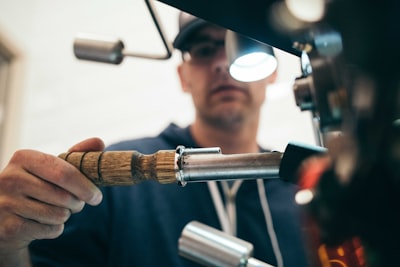
This is the #1 question Nigerian and Kenyan hardware traders ask us. The answer isn't the same for every market. Here's the data-driven breakdown to help you stock the right mix and maximize your margins.
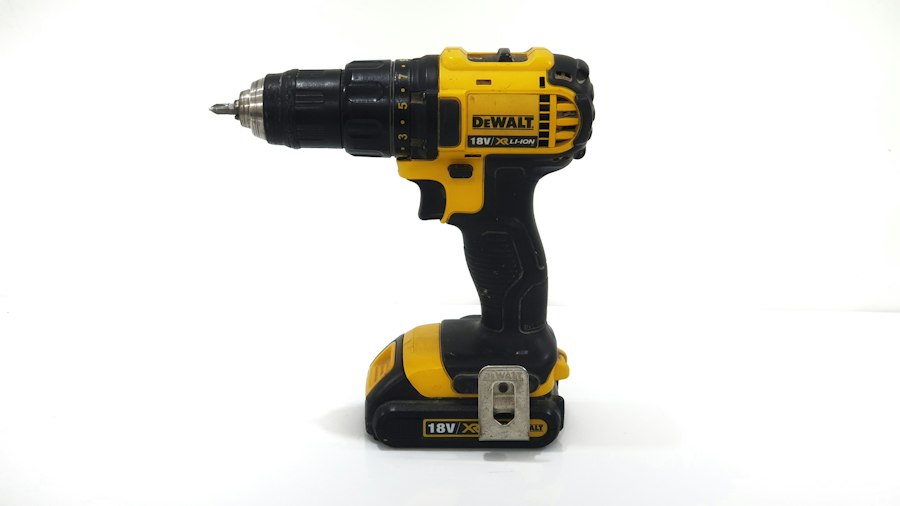
Quick Comparison Table
| Factor | 🔌 Corded Tools | 🔋 Cordless Tools |
|---|---|---|
| Power Output | Higher sustained power | Lower, varies with battery level |
| 220V Compatibility | Native to African grid | Requires battery + charger |
| Upfront Cost | 30-50% cheaper | More expensive |
| Maintenance | Simpler, fewer parts | Battery replacement costs |
| Portability | Limited by cord | Fully mobile |
| African Market Preference | Professional users | Retail + prosumer |
| Profit Margin | Lower per unit | Higher, $5-15/unit |
When to Stock Corded Tools
Corded power tools remain the backbone of professional hardware sales across Nigeria, Ghana, and Kenya. Here's why:
- Uninterrupted power: No battery anxiety. In a country where electricians routinely see power fluctuations, corded tools keep working
- Workshop and industrial use: Auto repair shops, metal fabrication workshops, and construction sites prefer corded for sustained heavy-duty work
- Lower consumer friction: No need to explain battery care, charging, or replacement to first-time buyers
- Best sellers: Angle grinders (750W-850W), impact drills, circular saws — these are predominantly corded in African markets
When to Stock Cordless Tools
Cordless tools are the fastest-growing category in African hardware retail — growing at 18% CAGR through 2030. Here's where the opportunity is:
- Home users and prosumer market: Homeowners, farmers, and small contractors prefer the convenience of cordless
- Impact wrenches for tyre shops: This is Nigeria's single highest-volume cordless category — every tyre shop needs 2-3 units
- Solar installation technicians: Working on rooftops without easy power access — cordless drill drivers are essential
- Gift and starter kit market: Cordless tool combo kits are popular as gifts and for people starting small businesses
🔥 Hot Seller: 21V Cordless Impact Wrench
The 21V cordless impact wrench is our #1 bestseller to African markets. At FOB $4-8 per unit, it sells in Lagos for ₦18,000-28,000 — that's 225-350% margin. Tyre shops and auto mechanics are your core buyers.
The Voltage Question: 220V is Non-Negotiable
Regardless of whether you choose corded or cordless, every tool for the African market must be 220V. Chinese factories produce dual-voltage (110V/220V) tools specifically for African export. Never buy 110V-only tools — they're useless in Nigeria, Kenya, or Ghana.
At YUWU JIANAI, all our power tools are 220V wide-voltage (200V-240V compatible), certified for African grid conditions.
Recommended Stocking Mix for 2025
Based on actual order data from 500+ African hardware importers:
| Category | Recommended % of Inventory | Why |
|---|---|---|
| Corded Angle Grinders | 25% | Highest volume, every workshop needs |
| Corded Impact Drills | 15% | Construction demand is steady |
| Cordless Drill+Impact Combo | 20% | Fastest growing, high margin |
| Cordless Impact Wrenches | 20% | Tyre shop market is massive |
| Cordless Grinders | 10% | Premium, smaller volume |
| Other (sanders, saws) | 10% | Specialty, slower turnover |
Final Verdict
Don't choose — stock both. The most successful African hardware importers carry a balanced mix. Corded tools for reliability-focused professional buyers; cordless for convenience-focused retail customers.
Starting an order? Get our free catalog with FOB pricing on 200+ power tools — 220V, shipped to any African port.