Most hardware tools in Africa fail not from normal wear — but from preventable causes: rust, dried-out lubrication, and improper storage. A tool that costs ₦25,000 and lasts 2 years costs ₦12,500 per year. The same tool maintained properly for 8 years costs ₦3,125 per year. Here's how to get that difference.

The 4 Enemies of Tool Life
Understanding what kills tools helps you prevent it:
1. Humidity & Rust (The #1 Killer in Africa)
Nigeria's climate is brutal on steel. Relative humidity often exceeds 80%, especially during the rainy season (April-October). Bare steel tools left in open air show first rust spots within 24-48 hours in Lagos humidity.
Prevention: Oil coating, silica gel storage, dry environment, chrome or phosphate finishes.
2. Dried-Out Lubrication
Tools with moving parts — pliers, cutters, ratchets, hinges — depend on internal lubrication. When grease dries out or washes away, metal grinds against metal, generating heat and wear.
Prevention: Re-oil every 3-6 months with machine oil or WD-40 type products.
3. Impact Damage
Dropping tools, using them as hammers when they're not designed for impact, over-torquing — all cause micro-fractures in steel that accumulate into cracks and breakage.
Prevention: Use each tool for its designed purpose only. Replace worn tools before they fail.
4. Corrosion from Sweat
Your hands contain salt and acidity that accelerate corrosion on bare steel. After extended use — especially in hot conditions — wipe tools down before storing.
🛠️ The Monthly 5-Minute Maintenance Routine
□ Wipe down all tools with a clean dry cloth
□ Inspect for rust spots — treat immediately if found
□ Apply oil to all moving parts and pivot points
□ Check handles for cracks or looseness
□ Ensure all blades and cutting edges are sharp and free of damage
Step-by-Step Rust Removal & Prevention
If you find rust on your tools, act immediately. Small rust spots become deep pits within weeks.
Light Rust (surface discoloration)
Use fine steel wool (grade 0000) or a wire brush to gently scrub the affected area. Wipe clean, dry thoroughly, then apply a light machine oil coating. Buff to distribute oil evenly.
Medium Rust (raised, flaking)
Use medium steel wool or sandpaper (150-200 grit) to remove all rust. Clean with acetone or mineral spirits. Dry completely. Apply rust converter spray (phosphoric acid based), let dry 24 hours. Prime and paint with enamel or clear coat. Oil when fully cured.
Heavy Rust (deep pitting)
Deep rust that has caused pitting cannot be fully repaired. The structural integrity of the tool is compromised. Replace the tool. This is why rust prevention is always better than cure.

Lubrication Guide by Tool Type
| Tool Type | Lubricant | Frequency | Application Method |
|---|---|---|---|
| Pliers (all types) | Machine oil (WD-40 type) | Every 3 months | Oil pivot point, work mechanism |
| Ratchet mechanisms | White lithium grease | Every 6 months | Small amount on gear teeth |
| Socket rails | Dry PTFE spray | Monthly | Light coating on socket interiors |
| Hammer faces | Carnauba wax | After each heavy use | Buff onto striking faces |
| Threaded adjustments | Graphite lubricant | Every 6 months | Spray on threaded rods |
| Saw blades | Dry silicone spray | After each use | Light coating prevents sap buildup |
Proper Storage: Where Most People Fail
How you store your tools matters as much as how you use them. The worst thing you can do: throw them in a toolbox with moisture and let them sit for months.
- Keep tools dry: Store in air-conditioned rooms, sealed tool cabinets, or with silica gel packets
- Don't pile tools: Cutting edges become dull and handles crack when tools are stacked or piled
- Organize by size/type: You use tools more when you can find them quickly — disorganized tools get neglected
- Hang heavy tools: Wall-mounted pegboards keep tools accessible and off wet concrete floors
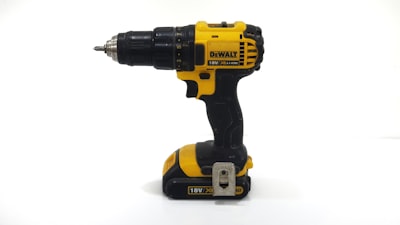
- Keep electrical tools away from moisture: Cordless drill batteries especially — moisture causes BMS (battery management system) failures
"A ₦200,000 cordless drill lost to battery rust. A ₦5,000 silica gel investment would have prevented it. Prevention is always cheaper than replacement."
Cordless Tool Battery Maintenance
Cordless tools are increasingly common in Africa — and battery replacement is expensive. Proper care extends Li-ion battery life by 2-3 years:
- Store at 40-60% charge: Never store Li-ion batteries fully discharged or fully charged — both accelerate degradation
- Keep at room temperature: Heat is the enemy of Li-ion batteries. Never leave cordless drills in hot vehicles
- Use the battery regularly: Lithium batteries degrade faster when unused. Use and recharge every 2-3 months minimum
- Don't over-discharge: Stop using when tool performance noticeably drops — don't run battery to complete empty
- Use the correct charger: Voltage mismatch destroys batteries. Always use manufacturer-specified chargers
🔋 Battery Life Extension Chart
Proper care: 4-6 years of useful battery life
Average care: 2-3 years before noticeable capacity loss
Poor care (hot storage, full discharge): 6-12 months before replacement needed
When to Repair vs Replace
Repair: Loose handles can be re-glued or rewrapped. Rust on non-critical surfaces can be treated. Dull cutting edges can be resharpened.
Replace: Cracked handles, pitting rust on load-bearing areas, bent shafts, damaged cutting edges that can't be resharpened, worn ratchet mechanisms.
Safety-critical tools should always be replaced when worn — the cost of a tool failure is always higher than the cost of replacement.
YUWU JIANAI offers replacement schedules for businesses maintaining tool fleets. Contact us for B2B maintenance programs and wholesale replacement tool pricing.