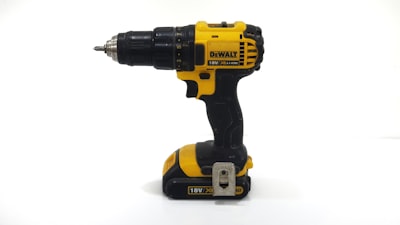
Nigeria's hardware tools market is the largest in sub-Saharan Africa — estimated at $800M+ annually. From Alaba Market in Lagos to Kano's major markets, demand is constant and growing. Here's what sells, what's profitable, and how Nigerian hardware importers are making money sourcing from China.
Nigeria's Top-Selling Hardware Tool Categories
| Category | Annual Market Size | Top Products | Import Volume |
|---|---|---|---|
| Power Tools | ₦45B+ | Impact wrench, angle grinder, drill | Very High |
| Hand Tools | ₦30B+ | Hammer, wrench, screwdriver sets | High |
| Solar Equipment | ₦25B+ | Solar flood lights, panels, batteries | Growing Fast |
| Fasteners | ₦20B+ | Nails, screws, anchors, bolts | Very High |
| Measuring Tools | ₦8B+ | Tape measures, spirit levels, squares | Moderate |
💰 Highest Margin Nigerian Tool Categories
1. Solar LED Flood Lights: FOB $8-15, Lagos price ₦30,000-60,000 = 150-300% margin
2. Cordless Impact Wrenches: FOB $4-8, Lagos price ₦18,000-35,000 = 200-350% margin
3. Tool Combo Kits: FOB $15-35, Lagos price ₦80,000-200,000 = 150-250% margin
The Nigeria-Specific Requirements: SONCAP
Every hardware tool shipment to Nigeria needs SONCAP certification — the Standard Organization of Nigeria's conformity assessment program. Without it, your goods are held at Apapa or Tincan Island ports, incurring demurrage of $100-500 per day.
SONCAP requires: product testing (CE or IEC standards accepted), factory documentation, and a SONCAP certificate or license issued before shipment. YUWU JIANAI handles SONCAP pre-arrangement for all Nigerian customers — ensuring your shipment clears customs without delays.
Top Nigerian Markets for Hardware Tools
- Alaba International Market, Lagos: The largest electronics and tools market in West Africa. Prices are negotiated hard — come with market knowledge.
- Balogun Market, Lagos: Major wholesale hub. Most goods eventually flow through Balogun.
- Kano Central Market: Northern Nigeria's largest market. Strong demand in Katsina, Sokoto, Jigawa states.
- Wuse Market, Abuja: Growing premium market — government contractors and corporate buyers.
- Onitsha Main Market, Anambra: Eastern Nigeria's trading hub. Strong for construction and automotive tools.
Common Procurement Mistakes to Avoid
- Buying 110V tools: All Nigerian mains power is 220V/230V. 110V tools are completely useless. Always verify voltage before ordering.
- Skipping SONCAP: The ₦500,000 you save by not arranging SONCAP will become ₦5,000,000 in port demurrage fees.
- No sample testing: Always test a sample before container orders. Quality varies enormously between suppliers.
- Wrong HS codes: Incorrect tariff classification causes customs disputes. Use an experienced customs agent.
- Under-insuring: Marine insurance costs 0.3% of cargo value. Skip it and risk total loss.
"The importer who buys based on lowest price loses. The importer who buys based on quality-to-price ratio wins. Always."
How to Start Importing Hardware Tools to Nigeria
- Register a business with CAC (Corporate Affairs Commission)
- Open a domiciliary account with a Nigerian bank for foreign exchange
- Obtain Importer Registration with Nigerian Customs Service
- Find a verified supplier — verify factory via the methods in our supplier verification guide
- Order samples, test quality, approve
- Negotiate price, payment terms, and delivery
- Arrange SONCAP certification with a SON-approved agent
- Book freight forwarder and vessel space
- Ship and track
- Clear customs at Apapa or Tincan
YUWU JIANAI has 15+ years of experience exporting to Nigerian importers. We handle SONCAP pre-arrangement, quality documentation, and logistics coordination. Contact our Nigeria export team to start your order.