The global hardware tools industry is undergoing its most significant transformation in 50 years. Four converging forces — electrification, lightweight materials, sustainability mandates, and smart technology — are reshaping what tools look like, how they're made, and what buyers expect. African importers who understand these trends will profit. Those who don't will be left with yesterday's inventory.
1. Lithium Battery Revolution
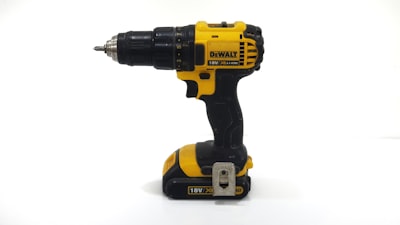
The shift from NiCd (nickel-cadmium) to Li-ion (lithium-ion) batteries has been the most disruptive change in portable power tools in decades. Li-ion delivers 40% more runtime, 60% less weight, and zero memory effect compared to NiCd. The newest frontier: Lithium Iron Phosphate (LiFePO4) batteries — safer, longer cycle life (2000+ charges vs 500 for NiCd), and more heat-tolerant. For African buyers, LiFePO4 is particularly relevant: it handles high temperatures without the thermal runaway risk of standard Li-ion.
2. Brushless Motor Technology
Traditional brushed motors have brushes that wear out, creating maintenance needs and efficiency losses. Brushless motors eliminate physical contact between moving parts — resulting in 30-50% higher efficiency, 10x longer motor life, and significantly reduced heat generation. By 2026, brushless motors will dominate the professional power tools market globally. For African buyers: brushless tools cost 30-40% more upfront but last 3-5x longer — making them cheaper over their lifetime.
3. Lightweight Ergonomics
Worker safety regulations in Europe and North America are driving manufacturers to reduce tool weight. Carbon fiber composite handles, magnesium alloy housings, and optimized internal component design are reducing tool weight by 15-25% without sacrificing durability. For African users: lighter tools reduce fatigue in hot climates, enabling longer productive work periods. Look for tools under 1.5kg for cordless drills — anything heavier causes significant user fatigue in tropical heat.
🌍 Sustainability Trends Affecting African Importers
EU Green Deal (2024 onwards): EU regulations require tools to meet RoHS (Restriction of Hazardous Substances) standards and be repairable for minimum 7 years. Manufacturers not meeting repairability standards face market exclusion. This benefits African buyers — the same durable, repairable tools that meet EU standards are ideal for African conditions where tools need to last.
4. Smart & Connected Tools
IoT-enabled power tools now feature: torque sensors with digital readout, battery state-of-charge displays, usage tracking for fleet management, and Bluetooth connectivity to smartphones. While not yet standard in African markets, this technology is filtering down to mid-range tools and will become expected in 3-5 years.
5. Green Manufacturing
China's manufacturing sector is facing increasing environmental regulations. Leading tool factories are now certified ISO 14001 (environmental management), using water-based coatings instead of solvent-based paints, and implementing closed-loop recycling systems. YUWU JIANAI sources exclusively from ISO 14001 certified factories — ensuring consistent quality while meeting environmental compliance requirements for all export markets.
What This Means for African Importers
The tools that are trending globally are the tools that will dominate African markets in 3-5 years. Early adopters who stock these products now position themselves as premium suppliers when demand catches up.
| Trend | What to Stock Now | Expected Growth |
|---|---|---|
| Li-ion / LiFePO4 batteries | 21V+ cordless tools | +25% annually |
| Brushless motors | Professional-grade cordless drills, grinders | +40% by 2026 |
| Lightweight (<1.5kg drills) | Compact brushless cordless kits | +30% annually |
| Solar-compatible tools | Solar charging kits for cordless tools | +35% in off-grid markets |
"African markets don't skip technology generations — they jump. When mobile phones came to Africa, landlines were barely built. The same will happen with smart tools. Stock the future now."
The China Manufacturing Advantage
Chinese factories lead global tool manufacturing for three reasons: (1) they produce the full quality spectrum — from cheap market tools to world-class professional brands, (2) they manufacture for all major global brands, meaning their capability is proven, (3) they serve every market including climate conditions as demanding as Africa's. Contact us to discuss trending products for your market.